


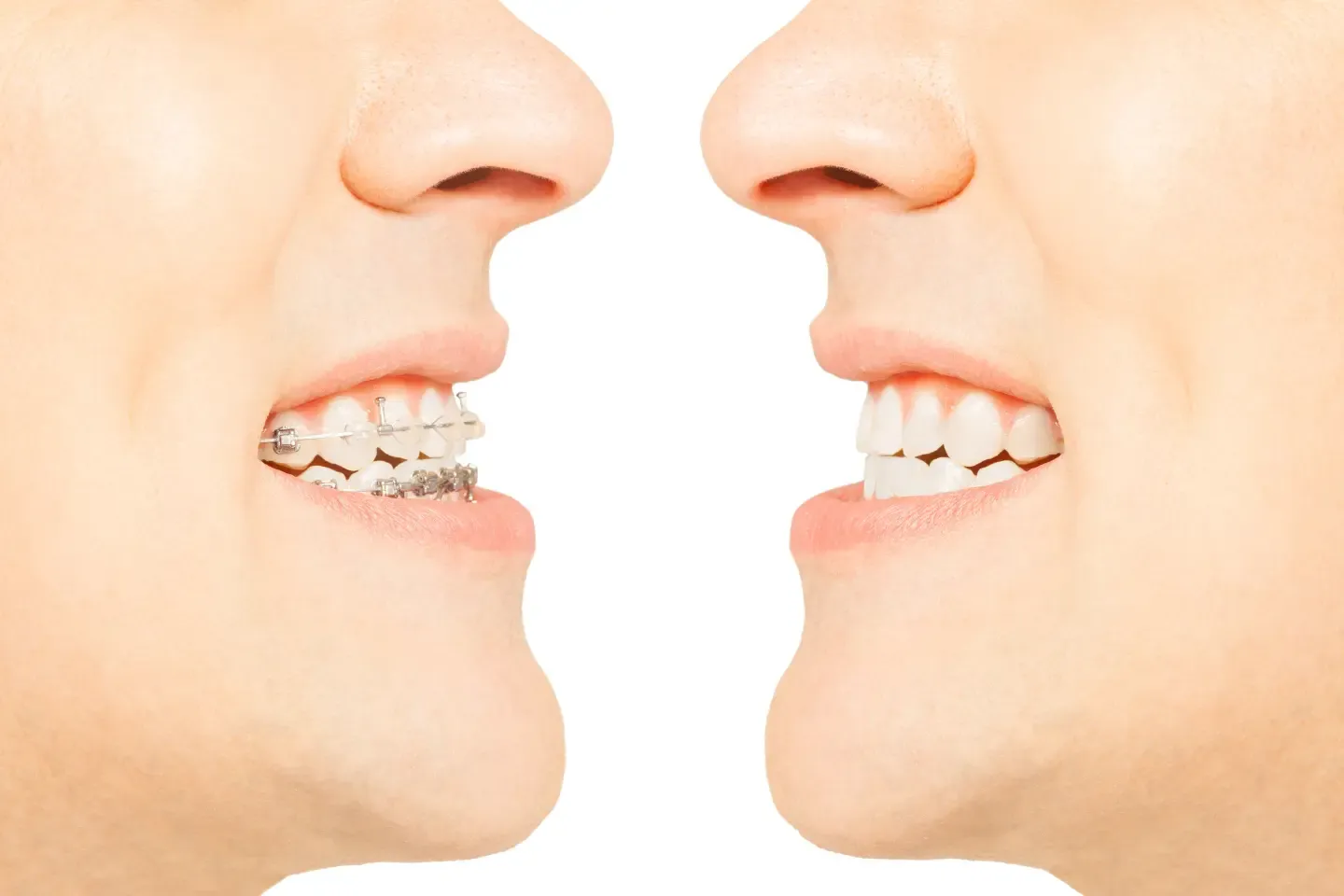
A properly aligned bite allows the upper and lower teeth to fit together comfortably when the mouth closes. This alignment is important not only for an attractive smile but also for effective chewing, speech, and long-term oral health. When the teeth or jaws do not align correctly, it is known as a malocclusion or bite problem.
Among the most common bite issues are overbite, underbite, and crossbite. While these conditions may vary in severity, early diagnosis and treatment can help prevent future complications.
According to Dr. Mohammed Moin Holy, understanding the different types of bite problems is the first step toward achieving better oral health and a more balanced smile.
What Is A Normal Bite?
In a healthy bite:
- Upper teeth slightly overlap the lower teeth
- Teeth fit together comfortably
- Jaw movement is smooth and balanced
- Chewing and speaking occur without difficulty
When this relationship is disrupted, bite abnormalities may develop.
What Is An Overbite?
An overbite occurs when the upper front teeth overlap the lower front teeth more than normal.
A mild overbite is common and often harmless. However, a significant overbite may affect both appearance and function.
Signs Of An Overbite
- Upper front teeth appear prominent
- Excessive overlap of the lower teeth
- Difficulty biting certain foods
- Increased risk of tooth wear
- Jaw discomfort in some cases
Causes Of An Overbite
Common causes include:
- Genetics
- Thumb sucking during childhood
- Prolonged pacifier use
- Jaw growth differences
- Certain oral habits
What Is An Underbite?
An underbite occurs when the lower front teeth sit in front of the upper front teeth when the mouth is closed.
This condition often results from differences in jaw growth and positioning.
Signs Of An Underbite
- Prominent lower jaw
- Chin appears more forward
- Difficulty chewing
- Speech concerns
- Facial profile imbalance
Causes Of An Underbite
Potential causes include:
- Genetic factors
- Abnormal jaw growth
- Childhood developmental influences
Severe underbites may become more noticeable as a child grows.
What Is A Crossbite?
A crossbite occurs when one or more upper teeth bite inside the lower teeth instead of outside them.
A crossbite may affect:
- Front teeth
- Back teeth
- One side of the mouth
- Both sides of the mouth
Signs Of A Crossbite
- Teeth appear misaligned
- Uneven bite
- Jaw shifting while chewing
- Facial asymmetry in some cases
- Excessive tooth wear
Causes Of A Crossbite
Common contributing factors include:
- Genetics
- Delayed tooth eruption
- Narrow upper jaw
- Prolonged oral habits
- Early loss of baby teeth
Why Should Bite Problems Be Treated?
Many people assume bite issues are purely cosmetic, but untreated malocclusions can affect oral health and function.
Potential complications include:
Difficulty Chewing
Misaligned teeth may reduce chewing efficiency.
Speech Difficulties
Certain bite problems can affect pronunciation and speech development.
Tooth Wear
Abnormal tooth contact may lead to excessive wear over time.
Jaw Discomfort
Improper bite alignment can place additional stress on jaw joints and muscles.
Oral Hygiene Challenges
Crowded or misaligned teeth may be harder to clean effectively.
How Are Bite Problems Diagnosed?
Diagnosis involves a comprehensive orthodontic evaluation.
This may include:
- Clinical examination
- Bite assessment
- Digital imaging
- Dental X-rays
- Study models of the teeth
A detailed evaluation helps determine the severity of the condition and appropriate treatment options.
Treatment Options For Overbite, Underbite, And Crossbite
Treatment depends on the patient's age, growth stage, and severity of the bite problem.
Braces
Braces remain one of the most effective methods for correcting bite abnormalities and improving alignment.
Clear Aligners
Selected patients may benefit from clear aligner therapy to gradually reposition teeth.
Orthodontic Appliances
Growth-guiding appliances may be used in children to help direct jaw development.
Palatal Expansion
For certain crossbites caused by a narrow upper jaw, expansion appliances may be recommended.
Orthognathic Surgery
In severe jaw-related cases, surgical correction may be considered after growth is complete.
When Should Children Be Evaluated?
Early orthodontic assessment can help identify developing bite issues before they become more complex.
Parents should consider evaluation if they notice:
- Protruding teeth
- Difficulty chewing
- Jaw shifting
- Mouth breathing
- Speech concerns
- Crowded teeth
- Visible bite irregularities
Early intervention may reduce the need for more extensive treatment later.
Can Adults Be Treated For Bite Problems?
Yes. Orthodontic treatment is effective for many adults.
Benefits may include:
- Improved smile aesthetics
- Better chewing function
- Enhanced oral health
- Reduced tooth wear
- Greater confidence
It is never too late to seek professional advice regarding bite correction.
Conclusion
Overbite, underbite, and crossbite are common orthodontic conditions that can affect both appearance and oral function. While some cases are mild, others may contribute to chewing difficulties, speech concerns, tooth wear, and jaw discomfort if left untreated.
Dr. Mohammed Moin Holy emphasizes that early diagnosis and individualized treatment planning are essential for achieving healthy alignment and long-term oral health. Whether in childhood or adulthood, timely orthodontic care can make a significant difference in both function and confidence.
FAQs
Q: What Is The Difference Between An Overbite And An Underbite?
A: An overbite occurs when the upper teeth excessively overlap the lower teeth, while an underbite occurs when the lower teeth extend in front of the upper teeth.
Q: Can A Crossbite Correct Itself?
A: Some minor alignment changes may improve during growth, but most crossbites benefit from professional orthodontic evaluation.
Q: Are Bite Problems Only Cosmetic?
A: No. Bite problems can affect chewing, speech, tooth wear, oral hygiene, and jaw function.
Q: Can Adults Get Treatment For Bite Problems?
A: Yes. Orthodontic treatment is available and effective for many adult patients.
Q: How Do I Know If I Have A Bite Problem?
A: Signs may include misaligned teeth, difficulty chewing, jaw discomfort, speech concerns, or noticeable irregularities in your smile.
Concerned about your bite alignment or your child's developing smile? Consult Dr. Mohammed Moin Holy for a comprehensive orthodontic evaluation and personalized treatment plan designed to improve function, comfort, and confidence.
Your Trusted Dentist in Mumbai!
Experience dental care like never before with Dr. Mohammed Moin Holy. At Holy Dental Care, your smile gets the attention it deserves.
©2025 | Dr. Mohammed Moin Holy | All Rights Reserved | Digital Marketing By Remedo