



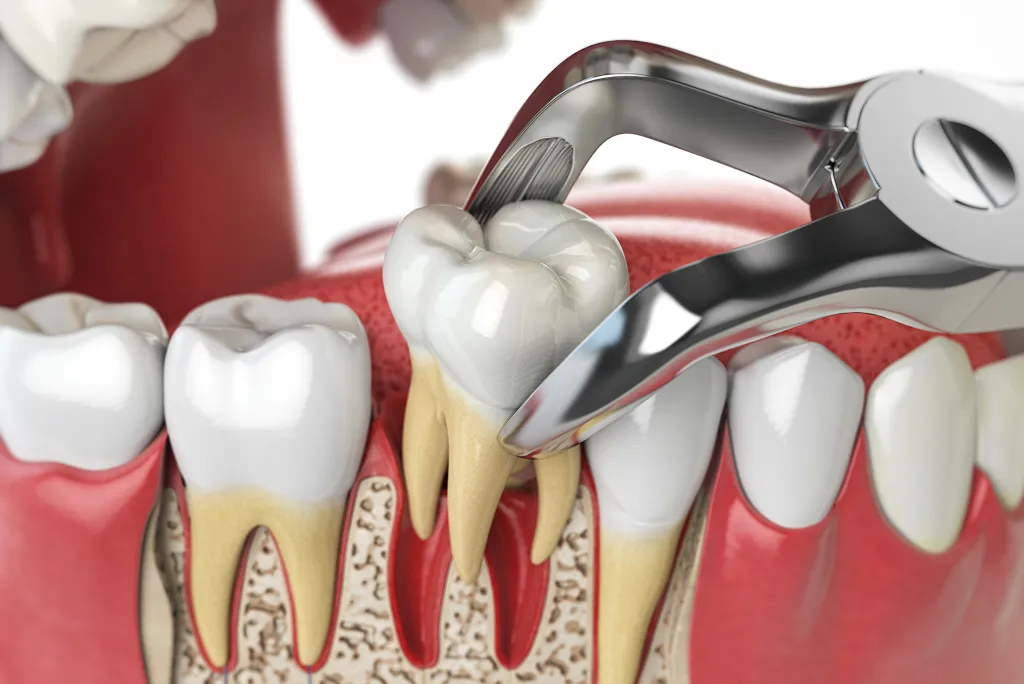
Tooth extraction is a common dental procedure in which a tooth is removed from its socket in the jawbone. While dentists always aim to save natural teeth, there are times when extraction becomes necessary to protect your overall oral health.
Modern dental techniques and anaesthesia make tooth extraction a safe, quick, and comfortable process. Knowing what to expect before, during, and after the procedure can help you prepare and recover smoothly.
Reasons for Tooth Extraction
Tooth extraction is recommended only when other treatments, such as fillings, root canal therapy, or crowns, are not sufficient to restore the tooth.
1. Severe Tooth Decay
When decay has reached deep into the tooth and damaged the pulp (the inner nerve and blood supply), an extraction may be the only way to stop infection and pain.
2. Gum Disease
Advanced gum disease (periodontitis) can weaken the bone and tissues that support your teeth, causing them to become loose. In such cases, extraction helps prevent infection from spreading.
3. Impacted Wisdom Teeth
Wisdom teeth, or third molars, often do not have enough space to erupt properly. They may grow sideways, get stuck (impacted), or press against neighbouring teeth, leading to pain and swelling. Removing them prevents future problems.
4. Tooth Damage Due to Injury
A tooth that has fractured severely from trauma or accident may not be repairable and might require extraction.
5. Overcrowding
Sometimes, teeth are extracted as part of orthodontic treatment to make space for alignment or to correct bite issues.
6. Infection or Abscess
If a tooth infection does not respond to antibiotics or root canal treatment, extraction can prevent it from spreading to other parts of the mouth or body.
7. Preparation for Dentures or Implants
In some cases, damaged or unhealthy teeth are removed before fitting dentures or dental implants to ensure a stable and healthy foundation.
The Tooth Extraction Procedure
Tooth extraction is a straightforward dental procedure, usually completed in a single appointment.
Step 1: Examination and X-rays
Your dentist first examines your mouth and takes X-rays to assess the tooth’s position, the root structure, and the surrounding bone. This helps plan a safe and efficient extraction.
Step 2: Anaesthesia
Local anaesthesia is administered to numb the tooth and the surrounding area. You will feel pressure during the procedure, but no pain. For complex cases, such as impacted wisdom teeth, sedation or general anaesthesia may be used.
Step 3: Extraction Process
There are two main types of tooth extractions:
- Simple Extraction: Performed when the tooth is visible and easily accessible. The dentist uses special instruments to loosen and remove the tooth gently.
- Surgical Extraction: Required when the tooth is impacted, broken, or below the gum line. A small incision is made in the gum, and sometimes the tooth is divided into smaller pieces for easier removal.
Step 4: Cleaning and Stitching
After removing the tooth, the dentist cleans the area and may place stitches if needed to help the gum heal properly.
Step 5: Gauze Placement
A piece of sterile gauze is placed over the extraction site to control bleeding and help a blood clot form — an essential part of the healing process.
Recovery After Tooth Extraction
Recovery is generally quick if you follow your dentist’s post-procedure instructions carefully.
What to Expect After Extraction
- Mild pain or discomfort for the first 24–48 hours
- Slight swelling near the extraction site
- Minor bleeding for a few hours after the procedure
These symptoms are normal and subside within a few days.
Tips for a Smooth Recovery
Control Bleeding
Keep the gauze in place for at least 30–45 minutes after extraction. If bleeding continues, replace it with a fresh piece and apply gentle pressure.
Manage Pain and Swelling
Use prescribed painkillers or over-the-counter medication as advised by your dentist. Applying an ice pack to the cheek can help reduce swelling.
Protect the Blood Clot
Avoid rinsing your mouth vigorously, using straws, or smoking for at least 48 hours. Disturbing the clot can lead to a painful condition called dry socket.
Eat Soft Foods
Stick to soft foods like soup, mashed potatoes, yoghurt, and smoothies for the first few days. Avoid hot, spicy, or crunchy foods that can irritate the wound.
Maintain Oral Hygiene
Continue brushing and flossing your other teeth, but avoid the extraction site for a day. After 24 hours, rinse gently with warm salt water to keep the area clean.
Rest and Hydrate
Take plenty of rest and stay hydrated. Avoid strenuous physical activity for at least 24 hours after the extraction.
Healing Timeline
- First 24 hours: A blood clot forms and protects the socket.
- 1–3 days: Swelling reduces, and discomfort subsides.
- 1 week: Stitches may be removed, and the gum begins to heal.
- 2–4 weeks: The extraction site completely closes, and the bone starts to fill in.
Possible Complications
Though rare, complications can occur if aftercare instructions are not followed.
- Dry Socket: Caused by dislodging the blood clot, leading to pain and delayed healing.
- Infection: Swelling, pus, or fever could indicate infection and require antibiotics.
- Nerve Injury: In rare cases, especially with wisdom teeth, temporary numbness may occur.
If you experience persistent pain, bleeding, or fever, contact your dentist immediately.
Preventing the Need for Extraction
Maintaining good oral hygiene and visiting your dentist regularly can help prevent many issues that lead to tooth extraction.
Preventive Measures
- Brush twice daily using fluoride toothpaste.
- Floss regularly to remove food particles and plaque.
- Eat a balanced diet low in sugary snacks and drinks.
- Schedule routine dental check-ups every six months.
Early detection of cavities, gum disease, or misalignment allows your dentist to treat the problem before extraction becomes necessary.
FAQs About Tooth Extraction
1. Is tooth extraction painful?
No. Local anaesthesia ensures that you do not feel pain during the procedure. You may experience mild soreness afterwards, which is manageable with medication.
2. How long does it take to recover from a tooth extraction?
Most people recover within one to two weeks. Complex extractions, like impacted wisdom teeth, may take a bit longer.
3. Can I eat after a tooth extraction?
Yes, but stick to soft foods for the first few days and avoid hot, spicy, or crunchy foods that may irritate the site.
4. What should I avoid after extraction?
Avoid smoking, using straws, and vigorous rinsing for at least 48 hours to prevent dry socket.
5. When should I visit the dentist after an extraction?
A follow-up visit is usually scheduled after one week to check healing and remove stitches if necessary.
6. Can a tooth be replaced after extraction?
Yes. You can replace a missing tooth with dental implants, bridges, or dentures to maintain function and appearance.
Caring for Your Smile After Extraction
Tooth extraction may sound intimidating, but with modern dental care, it is a routine and painless procedure. Following proper aftercare ensures quick healing and long-term oral health.
Consult Dr. Mohammed Moin Holy for Expert Dental Care
If you are experiencing tooth pain, infection, or need a dental extraction, consult Dr. Mohammed Moin Holy at Holy Dental Care.
With advanced dental expertise and gentle care, Dr. Holy ensures your tooth extraction and recovery are smooth, safe, and stress-free.
Take the first step towards a healthier smile. Schedule your consultation with Dr. Mohammed Moin Holy at Holy Dental Care today.

Your Trusted Dentist in Mumbai!
Experience dental care like never before with Dr. Mohammed Moin Holy. At Holy Dental Care, your smile gets the attention it deserves.
©2025 | Dr. Mohammed Moin Holy | All Rights Reserved | Digital Marketing By Remedo