



Dental health is often overlooked until pain or sensitivity becomes severe. One common concern patients face is distinguishing between tooth decay and a dental infection, and understanding when a root canal treatment is necessary. Recognizing the differences early can save your teeth and prevent serious complications.
Understanding Tooth Decay
Tooth decay, or dental caries, occurs when the enamel the outer protective layer of your teeth breaks down due to bacterial activity and acid formation. Plaque, sugary foods, and poor oral hygiene are primary contributors.
Symptoms of Tooth Decay:
- Mild to moderate toothache or sensitivity, especially with hot, cold, or sweet foods
- Visible brown or black spots on the tooth surface
- Occasional discomfort when biting or chewing
- Foul taste or odor in the mouth in advanced cases
Tooth decay can often be treated with fillings or restorative procedures if detected early. Proper oral hygiene and regular dental checkups are essential to prevent progression.
When Tooth Decay Leads to Infection
If decay is left untreated, bacteria can penetrate deeper into the pulp of the tooth, where nerves and blood vessels reside. This can cause a dental infection or abscess.
Symptoms of Infection:
- Severe, persistent toothache
- Swelling in the gums or face
- Sensitivity to touch and pressure
- Fever or general discomfort in severe cases
- Pus formation around the tooth or gums
Dental infections are more serious than simple decay. Ignoring them can lead to the spread of bacteria to surrounding tissues, jawbone, or even other parts of the body.
Root Canal Treatment: When Is It Necessary?
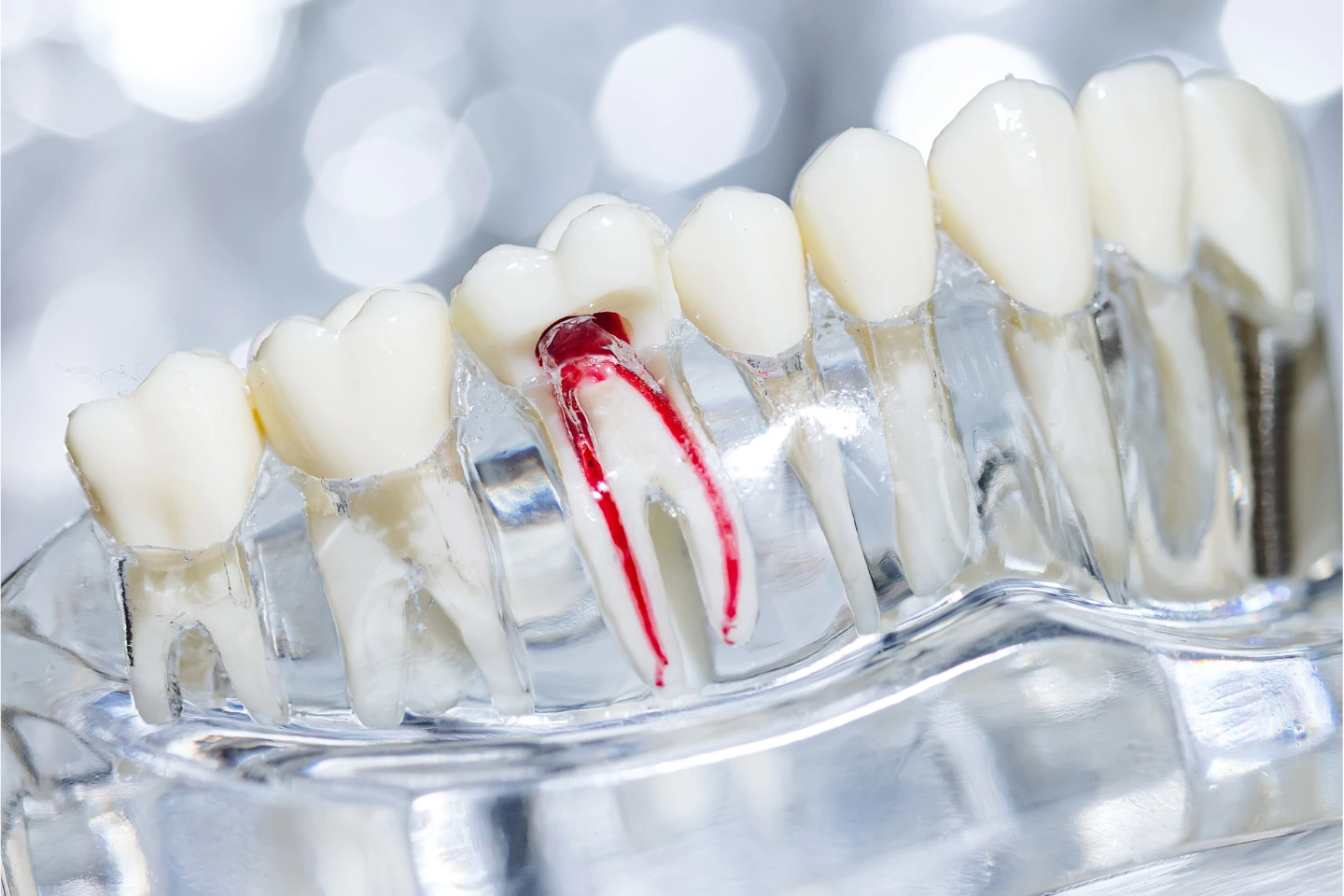
A root canal is a dental procedure used to remove infected pulp from inside the tooth, clean the root canals, and seal them to prevent further infection. This procedure helps save the natural tooth and avoid extraction.
Situations Requiring a Root Canal:
- Deep tooth decay reaching the pulp
- Persistent pain despite medication or fillings
- Signs of infection such as abscess, swelling, or pus
- Sensitivity that interferes with daily activities
- Trauma to the tooth causing pulp damage
Root canal treatment is highly effective and can restore tooth functionality, appearance, and strength when performed promptly.
Differences Between Tooth Decay And Dental Infection
Tooth Decay occurs when plaque and bacteria act on sugary foods, damaging the enamel and dentin. It causes mild to moderate pain, often triggered by hot, cold, or sweet foods. Swelling is usually absent, and fever is rare. Treatment typically involves dental fillings and preventive care to stop further damage.
Dental Infection, on the other hand, develops when untreated decay spreads to the pulp (the innermost part of the tooth). It leads to severe, throbbing pain, swelling of the gums or face, and may even cause fever in advanced cases. Treatment requires a root canal or antibiotics to control the infection and prevent complications.
Understanding the differences helps patients seek appropriate dental care before complications worsen.
Preventing Tooth Decay and Infection
Prevention is always better than treatment. Follow these tips:
- Maintain Oral Hygiene: Brush at least twice a day and floss daily to remove plaque.
- Regular Dental Checkups: Visit your dentist every 6 months for early detection of decay.
- Limit Sugary Foods: Reduce intake of sugary snacks, drinks, and acidic foods.
- Use Fluoride Toothpaste: Fluoride strengthens enamel and reduces the risk of decay.
- Wear Protective Gear: If you play contact sports, use mouthguards to prevent trauma.
FAQs On Tooth Decay and Root Canal
1. Does a root canal hurt?
Modern techniques and local anesthesia make root canal treatment virtually painless. Some post-procedure discomfort may occur, which is manageable.
2. Can tooth decay be reversed?
Early-stage decay may be halted with fluoride treatments and improved oral hygiene, but advanced decay requires restoration.
3. How long does a root canal last?
With proper care, a treated tooth can last a lifetime. Crowns or fillings may be needed to strengthen the tooth.
4. Are antibiotics enough to treat dental infection?
Antibiotics may reduce infection temporarily but cannot remove infected pulp. Root canal treatment is usually necessary.
5. Can children need root canals?
Yes. Children with deep decay or pulp infection may require pediatric root canal treatment to save primary or permanent teeth.
Q6: How can I prevent future infections after a root canal?
Maintain proper oral hygiene, attend regular dental checkups, and avoid excessive sugary foods.
Save Your Smile with Expert Care
Dental infections and untreated decay can affect not only your teeth but also your overall health. Timely diagnosis, preventive care, and proper treatment are the keys to maintaining a healthy and pain-free smile.
Consult Dr. Mohammed Moin at Holy Dental Care Today
Early intervention and professional guidance ensure that tooth decay does not progress into serious infection. Protect your natural teeth and enjoy a bright and healthy smile with expert dental care from Dr. Mohammed Moin.

Your Trusted Dentist in Mumbai!
Experience dental care like never before with Dr. Mohammed Moin Holy. At Holy Dental Care, your smile gets the attention it deserves.
©2025 | Dr. Mohammed Moin Holy | All Rights Reserved | Digital Marketing By Remedo