


Introduction
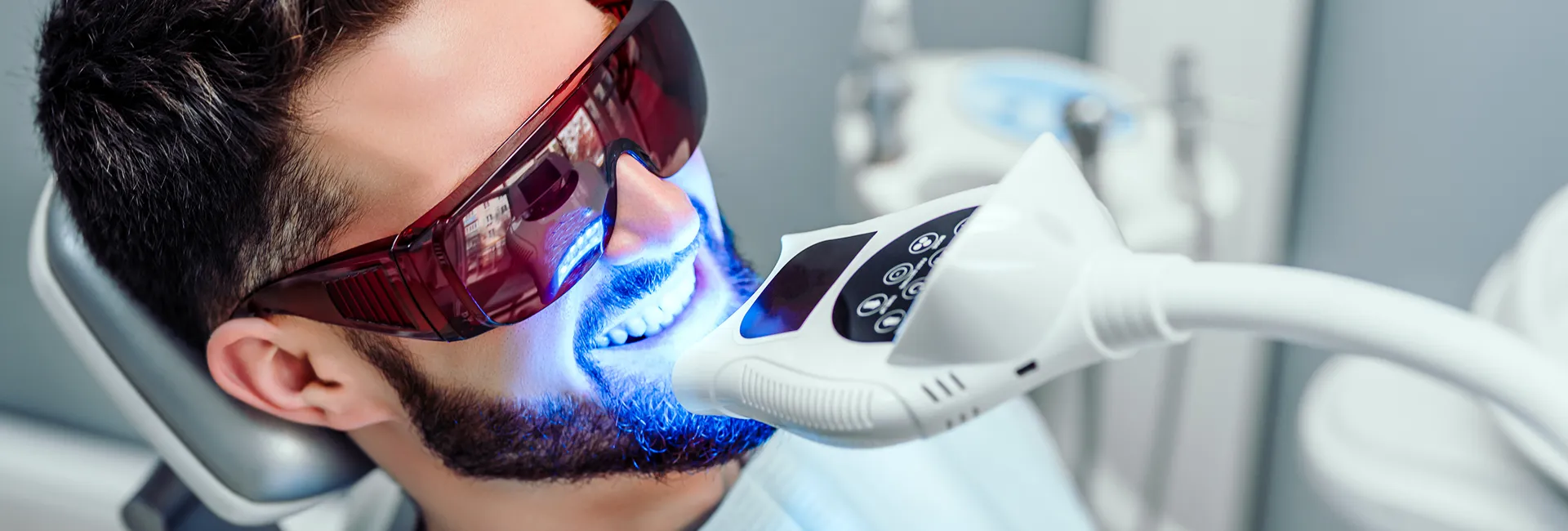
A bright, white smile is often linked to confidence, good health, and a positive first impression. Teeth whitening has therefore become one of the most popular cosmetic dental treatments. Despite its popularity, many myths and misunderstandings still surround the procedure, often causing unnecessary fear or leading people to unsafe methods.
According to Dr. Mohammed Moin Holy, separating facts from fiction helps patients choose safe whitening options and achieve effective, long-lasting results without harming their teeth.
Myth 1: Teeth Whitening Damages Enamel
A common concern is that whitening weakens teeth or erodes enamel. In reality, professional teeth whitening performed under dental supervision is safe. Modern whitening agents are carefully formulated to remove stains without damaging enamel.
Some patients may experience temporary sensitivity, but this usually resolves quickly. Dr. Mohammed Moin Holy cautions that misuse or overuse of unregulated over-the-counter products can increase the risk of enamel damage.
Myth 2: Whitening Works The Same For Everyone
Teeth whitening results vary from person to person. Several factors influence the outcome, including the type of staining, age, enamel thickness, and overall oral health.
Surface stains from food, beverages, or smoking respond well to whitening. Deeper, intrinsic stains may show limited improvement. Dental restorations such as crowns, veneers, or fillings do not change color with whitening, which is why a professional assessment is essential.
Myth 3: Teeth Whitening Is Permanent
Whitening results are not permanent. Over time, teeth may gradually darken again due to dietary habits, tobacco use, and natural aging of enamel.
Maintaining good oral hygiene, limiting staining foods and drinks, and periodic touch-up treatments as advised by your dentist can help preserve a brighter smile for longer.
Myth 4: Natural Remedies Are Just As Effective
Home remedies like lemon juice, baking soda, or charcoal are often promoted as natural whitening solutions. While they may produce short-term effects, they can be abrasive and harmful to enamel, leading to sensitivity and long-term damage.
Dr. Mohammed Moin Holy recommends professional whitening treatments or dentist-approved home kits that are designed to be both safe and effective.
Myth 5: Whitening Causes Permanent Sensitivity
Mild tooth sensitivity during or after whitening is common, but it is usually temporary. Sensitivity typically subsides within a few days.
Dentists can minimize discomfort by adjusting treatment strength, using desensitizing agents, or recommending specific toothpaste for sensitive teeth.
Myth 6: Teeth Whitening Is Only Cosmetic
While whitening improves appearance, it often motivates patients to maintain better oral hygiene. People who invest in whitening tend to brush and floss more regularly, attend dental check-ups, and reduce habits that cause staining.
Dr. Mohammed Moin Holy emphasizes that healthy gums and teeth are essential for maintaining whitening results and overall oral health.
Safe Teeth Whitening Practices
To achieve safe and effective results, consider the following guidelines:
- Always consult a dentist before whitening
- Avoid excessive or unsupervised treatments
- Use dentist-approved whitening products
- Maintain good oral hygiene
- Limit smoking and stain-causing foods and drinks
Professional guidance ensures even whitening, reduced sensitivity, and long-lasting results without compromising dental health.
Frequently Asked Questions
Does teeth whitening hurt
Most people experience little to no discomfort. Any sensitivity is usually mild and temporary.
How long do whitening results last
Results can last from several months to a few years, depending on lifestyle habits and oral care.
Are over-the-counter whitening products safe
Some are safe when used correctly, but professional treatments provide better results with lower risk.
Can fillings or crowns be whitened
Natural teeth respond to whitening, but dental restorations do not change color.
Is teeth whitening suitable for everyone
Most adults can safely whiten their teeth, but it may not be suitable for those with untreated cavities, gum disease, or during pregnancy.
Conclusion
Teeth whitening is a safe and effective way to enhance your smile when done correctly. Understanding the truth behind common myths helps prevent damage, manage expectations, and achieve optimal results.
Dr. Mohammed Moin Holy emphasizes that professional evaluation and proper guidance are key to maintaining healthy teeth while enjoying a brighter, more confident smile.
If you are considering teeth whitening or have concerns about tooth discoloration, consult Dr. Mohammed Moin Holy for a personalized assessment and safe treatment options. Expert guidance ensures beautiful, lasting results and protects your long-term dental health.
Your Trusted Dentist in Mumbai!
Experience dental care like never before with Dr. Mohammed Moin Holy. At Holy Dental Care, your smile gets the attention it deserves.
©2025 | Dr. Mohammed Moin Holy | All Rights Reserved | Digital Marketing By Remedo