



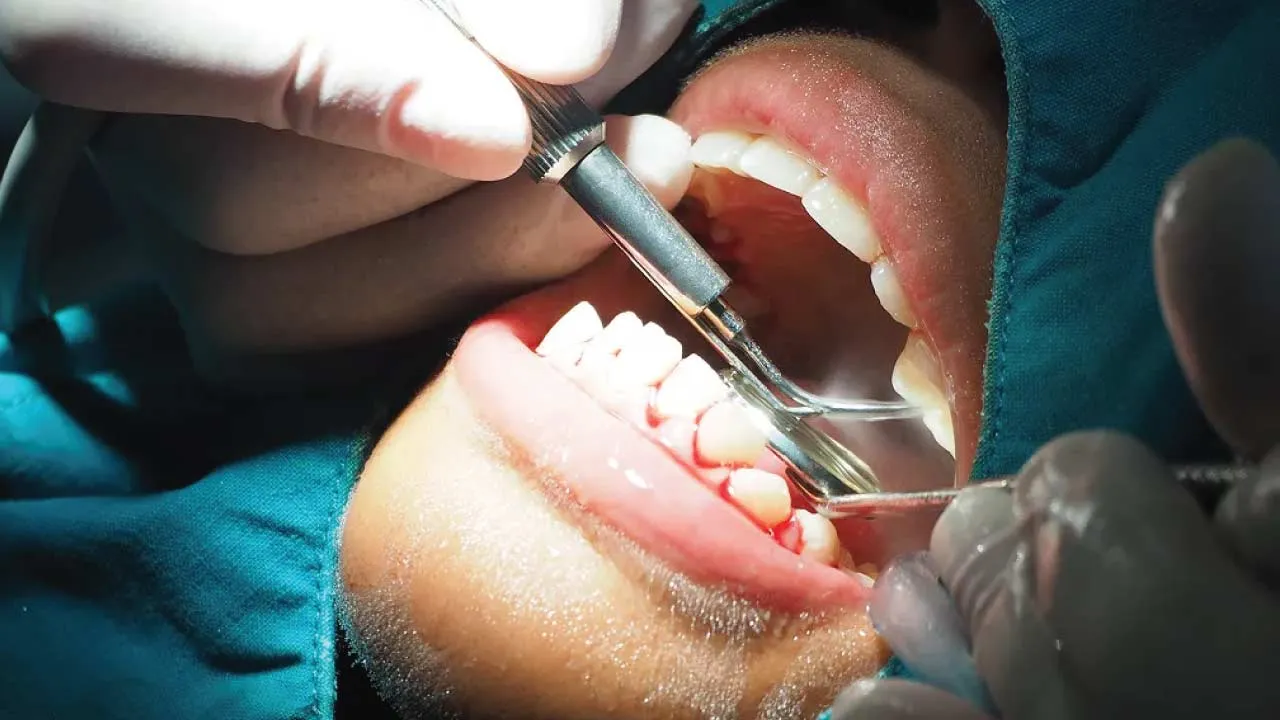
Healthy gums are the foundation of strong teeth, but gum disease is one of the most common oral health problems affecting adults today. When plaque and tartar build up below the gum line, they can lead to inflammation, bleeding gums, bad breath, and even tooth loss if left untreated. Scaling and root planing is a deep cleaning procedure that helps treat gum disease and restore gum health.
At Dr. Mohammed Moin Holy’s Dental Care Practice, patients receive advanced periodontal treatment focused on preserving natural teeth, improving gum health, and preventing the progression of gum disease.
What Is Scaling And Root Planing?
Scaling and root planing is a non-surgical deep cleaning procedure used to treat gum disease, also known as periodontitis.
It involves two important steps:
- Scaling: Removing plaque and tartar from above and below the gum line
- Root planing: Smoothing the tooth root surfaces to help the gums reattach and heal properly
This procedure goes deeper than a regular dental cleaning and specifically targets bacteria responsible for gum infection.
Why Is Scaling And Root Planing Needed?
When plaque and tartar are not removed regularly, they harden and spread below the gums. This can lead to gum inflammation and the formation of pockets between the teeth and gums.
Scaling and root planing may be recommended if patients experience:
- Gum bleeding
- Swollen gums
- Persistent bad breath
- Gum recession
- Deep periodontal pockets
- Loose teeth
Early treatment can help prevent further gum damage and tooth loss.
Signs Of Gum Disease That May Require Treatment
Bleeding Gums
Gums that bleed during brushing or flossing are often an early warning sign of gum disease.
Bad Breath
Persistent bad breath may indicate bacterial buildup beneath the gums.
Gum Swelling And Redness
Inflamed gums may appear red, swollen, or tender.
Gum Recession
The gums may begin pulling away from the teeth, making teeth appear longer.
Loose Teeth
Advanced gum disease can weaken the structures supporting the teeth.
How Scaling And Root Planing Is Performed
The procedure is usually completed in one or more dental visits depending on the severity of the gum disease.
Step 1: Examination
The dentist first examines the gums and measures the depth of periodontal pockets.
Step 2: Local Anesthesia
Local anesthesia may be used to ensure comfort during the deep cleaning procedure.
Step 3: Scaling
Special dental instruments or ultrasonic devices are used to remove plaque and tartar from the teeth and below the gum line.
Step 4: Root Planing
The tooth roots are carefully cleaned and smoothed to support gum healing and reattachment.
Step 5: Final Cleaning And Care Instructions
The treated area is cleaned thoroughly, and patients receive post-treatment care instructions.
Benefits Of Scaling And Root Planing
Improves Gum Health
The procedure removes bacteria and reduces gum inflammation.
Helps Prevent Tooth Loss
Treating gum disease early helps preserve natural teeth.
Reduces Bad Breath
Cleaning below the gums removes infection-causing bacteria.
Promotes Gum Healing
Smooth root surfaces help gums reattach more effectively.
May Prevent The Need For Surgery
Early treatment may help avoid advanced surgical gum procedures.
Is Scaling And Root Planing Painful?
The procedure is generally comfortable because local anesthesia is used when necessary. Some patients may experience mild soreness or sensitivity afterward, but this usually improves within a few days.
Aftercare Tips Following Treatment:
- Maintain Good Oral Hygiene
- Brush twice daily
- Floss regularly
- Use a soft-bristled toothbrush
- Use Antibacterial Mouthwash
This helps reduce bacteria and supports healing.
Avoid Smoking
Smoking may slow healing and worsen gum disease.
Eat Soft Foods Initially
Soft foods may help reduce discomfort after treatment.
Follow Your Dentist’s Instructions
Attend follow-up appointments and take prescribed medications if advised.
How Long Does Recovery Take?
Most patients recover within a few days to a week. Gum healing continues gradually as inflammation decreases and the tissues become healthier.
Regular maintenance cleanings may be recommended to prevent recurrence.
What Happens If Gum Disease Is Left Untreated?
Untreated gum disease may lead to:
- Gum recession
- Tooth mobility
- Bone loss
- Tooth loss
- Persistent infection
- Difficulty chewing
Early intervention is important to prevent long-term complications.
Importance Of Regular Dental Checkups
Routine dental visits help detect gum disease early and prevent progression. Professional cleanings and regular monitoring are essential for maintaining long-term oral health.
Who May Need Scaling And Root Planing?
This treatment is commonly recommended for patients with:
- Moderate to severe gum disease
- Deep gum pockets
- Chronic plaque buildup
- Bleeding gums
- Persistent bad breath
A dental examination is necessary to determine the need for treatment.
Can Gum Disease Return After Treatment?
Yes, gum disease can return if proper oral hygiene is not maintained. Regular brushing, flossing, professional cleanings, and routine dental visits are important for maintaining healthy gums.
Conclusion
Scaling and root planing is an effective deep cleaning procedure that helps manage gum disease, protect natural teeth, and restore oral health. Early treatment can prevent complications and support long-term dental wellness.
At Dr. Mohammed Moin Holy’s Dental Care Practice, patients receive advanced periodontal care focused on preserving natural teeth and maintaining healthy gums through personalized treatment plans.
FAQs
Q: What is scaling and root planing?
A: It is a deep cleaning dental procedure that removes plaque and tartar below the gum line and smooths tooth roots to treat gum disease.
Q: Is scaling and root planing painful?
A: The procedure is usually comfortable with local anesthesia, although mild sensitivity may occur afterward.
Q: How long does the procedure take?
A: Treatment may take one or more sessions depending on the severity of the gum disease.
Q: Can scaling and root planing save teeth?
A: Yes, it helps prevent tooth loss by treating gum infection early.
Q: How should I care for my teeth after treatment?
A: Maintain good oral hygiene, avoid smoking, use mouthwash, and follow your dentist’s instructions carefully.
Q: How often is deep cleaning needed?
A: The frequency depends on individual gum health and may vary from patient to patient.

Your Trusted Dentist in Mumbai!
Experience dental care like never before with Dr. Mohammed Moin Holy. At Holy Dental Care, your smile gets the attention it deserves.
©2025 | Dr. Mohammed Moin Holy | All Rights Reserved | Digital Marketing By Remedo